Brilliant White
 Clay
Clay
 Dove
Dove
 Duck Egg
 Ivory
Ivory
 Linen
Linen
 Mint
Mint
 Pebble
 Rhino
Rhino
 Sandstone
 Sky
Sky
 Apricot
 Aqua
Aqua
 Atlantic
 Blossom
 Forest
 Kiwi
Kiwi
 Lavender
 Marine
 Night
Night
 Olive
Olive
 Rosewood
 Sunflower
 White Gloss
 Ash
Ash
 Avocado
 Fuchsia Pink
 Grape
Grape
 Lagoon
 Lime
Lime
 Orange
 Plum
Plum
 Ruby
Ruby
 Slate
Slate

In food environments — whether a compact café kitchen or a large production facility — wall surfaces play a larger role in hygiene than many people realise. When a wall finish begins to fail, whether through cracked tiles, worn paint or moisture ingress, maintaining food safety becomes significantly harder.
PVC hygienic wall cladding has become the preferred solution across the UK food industry because it provides a durable, easy-clean, compliant surface that meets the practical demands of modern food production. Below, we explore why PVC cladding is so effective, how it supports regulatory compliance, and which colours and finishes are best suited to different food environments.
Why Hygienic Wall Surfaces Matter
In food settings, walls must do more than look clean — they need to remain structurally sound and resistant to moisture, heat, cleaning chemicals and abrasion.
Traditional finishes often fall short:
- Tiles develop cracked grout and harbour residue.
- Painted plaster absorbs moisture and flakes under steam or chemical cleaning.
- GRP can become fibrous with age or impact damage.
PVC cladding avoids these issues by offering:
- A smooth, non-porous surface
- No grout lines
- Excellent chemical resistance
- Long-term durability under wash-down routines
This makes it easier for operators to consistently maintain hygiene standards.
Meeting FSA, HACCP and BRCGS Requirements

Regulatory bodies don’t mandate specific materials, but they do set clear criteria for wall surfaces:
FSA Requirements
All food premises must have surfaces that are:
- Smooth
- Washable
- Non-toxic
- In good repair
- Non-absorbent
PVC hygienic cladding meets all of these.
HACCP (Hazard Analysis and Critical Control Points)
Structural hygiene forms part of hazard assessment. Poor wall surfaces can increase:
- Microbiological hazards
- Foreign body hazards (flaking paint, loose tile fragments)
- Allergen retention hazards
PVC cladding helps eliminate these risks.
BRCGS Issue 9 (for factories and high-care producers)
Requires:
- Impervious surfaces
- Durable finishes
- Easy-to-clean construction
- No cracked or damaged walls
PVC cladding is widely used in BRC-certified sites for this reason.
Why PVC Outperforms Traditional Wall Finishes
Tiles vs PVC
Grout lines absorb moisture and trap organic matter, even with regular cleaning. PVC eliminates these weak points.
Painted plaster vs PVC
Painted surfaces degrade quickly in high-humidity or food-preparation environments. PVC remains stable and hygienic.
GRP vs PVC
GRP offers strong hygiene properties but requires more specialist installation and can be harder to repair. PVC provides similar benefits with simpler fitting and maintenance.
These practical considerations are a key reason many operators replace older finishes with PVC during refurbishments.
Where PVC Cladding Works Best

PVC cladding is suitable for almost any food environment, including:
- Commercial kitchens
- Meat, poultry and fish preparation areas
- Bakeries and confectionery rooms
- Dairy and chilled production areas
- Cold rooms and freezers
- Retail prep rooms and visible service areas
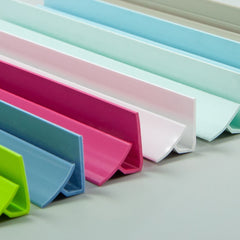
While white PVC cladding remains the dominant choice in commercial kitchens and food processing facilities due to its clean, clinical appearance and ease of visual inspection, greys such as Dove, Pebble and Rhino are becoming increasingly popular in customer-facing prep areas where a more contemporary look is desired. Warmer tones — including ivory, light taupes and muted pastels like sandstone — are also appearing more often in bakeries, delis and artisan food spaces, helping create a more inviting, craft-led atmosphere without compromising hygiene.
The material performs reliably in both wet and dry zones and holds up well under temperature changes, frequent cleaning and physical impact.
Fire Performance
All PVC Cladding supplied by Simply Cladding has been independently tested to:
- UL 94: V-0 – stops burning within 10 seconds
- DIN 4102: B1 – low flammability
- NFP 92-501(F): M1 – non-dripping, self-extinguishing
- BS 476 Part 6: Class 0 – limited fire propagation
- BS 476 Part 7: Class 1 – superior surface spread of flame performance
These results demonstrate low flammability and controlled surface spread of flame, making the panels suitable for commercial kitchens and production facilities without additional fire treatments.
Practical Installation Considerations
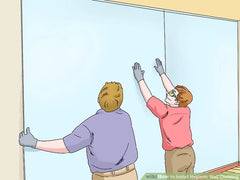
A hygienic wall system is only effective when correctly installed. Common issues we’re often asked to help resolve include:
- Unsealed joints leading to moisture behind panels
- Incorrect adhesives in cold or humid rooms
- Misaligned sheets creating gaps that catch debris
- Overreliance on silicone instead of using the correct trims
Using the right profiles, adhesives and sealing methods ensures long-term performance and reduces the risk of hygiene failures.
Cleaning & Maintenance Guidance
PVC cladding is compatible with the cleaning chemicals typically used in food environments, including:
- Quaternary ammonium compounds
- Chlorinated detergents
- Foaming alkaline cleaners
A routine cleaning schedule usually includes:
- Daily: General wash and sanitise
- Weekly: Focused cleaning around edges, trims and equipment bases
- Periodic: Quick visual inspection for impact or sealant wear
PVC’s smooth surface makes this process quicker and more effective than maintaining tiles or painted walls.
Conclusion
PVC hygienic wall cladding offers food businesses a reliable, compliant and cost-effective way to maintain high hygiene standards. It eliminates common harborage points, withstands heavy cleaning and supports the expectations of FSA, HACCP and BRCGS frameworks.
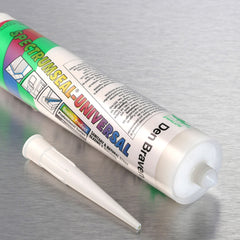
Simply Cladding supplies a comprehensive PVC cladding system — including panels, trims, adhesives and silicones — along with a broad colour range to suit every food environment. If you’re planning a refurbishment or new installation, we’re always available to provide clear, practical guidance.