Brilliant White
 Clay
Clay
 Dove
Dove
 Duck Egg
 Ivory
Ivory
 Linen
Linen
 Mint
Mint
 Pebble
 Rhino
Rhino
 Sandstone
 Sky
Sky
 Apricot
 Aqua
Aqua
 Atlantic
 Blossom
 Forest
 Kiwi
Kiwi
 Lavender
 Marine
 Night
Night
 Olive
Olive
 Rosewood
 Sunflower
 White Gloss
 Ash
Ash
 Avocado
 Fuchsia Pink
 Grape
Grape
 Lagoon
 Lime
Lime
 Orange
 Plum
Plum
 Ruby
Ruby
 Slate
Slate
Creating hygienic environments no longer means choosing between performance and sustainability. In healthcare settings, schools, food preparation areas and commercial buildings, materials must meet strict hygiene standards while also supporting long-term environmental responsibility.
Modern PVC cladding systems are increasingly chosen for projects that require both durability and hygiene, making them a practical solution for long-lasting wall cladding in demanding environments.

Why PVC cladding is a practical choice for sustainable projects
More than half of senior executives worldwide are redesigning their organisations to be more sustainable, recognising that sustainability is now closely linked to reputation, investment and long-term success. As a result, material choice is becoming an increasingly important part of meeting environmental and social responsibility targets.
Materials such as PVC wall panels and hygienic construction systems play an important role in this shift, offering durability and performance while helping reduce the need for frequent refurbishment.
PVC has a long history in construction, having been discovered in 1835 by Henri Victor Regnault and valued for its resistance to water, chemicals and fire. Over time, it has continued to evolve, becoming weather resistant, easy to clean and capable of lasting 30 to 50 years in demanding environments.
Today, PVC is increasingly recognised for its sustainability potential, particularly because of its durability, long service life and ability to be recycled at the end of its lifespan. These characteristics have made PVC wall cladding a widely specified solution in sectors where hygiene and longevity are critical.
In hygienic environments such as healthcare facilities, cleanrooms and laboratories, these qualities directly support UN Sustainable Development Goal 3: Good Health and Well-being. Durable, easy-to-clean materials such as hygienic wall cladding systems help maintain high hygiene standards, supporting safer and healthier indoor environments for patients, staff and visitors.
PVC also aligns with UN Sustainable Development Goal 12: Responsible Consumption and Production. PVC is one of the most researched polymers used in construction, with life cycle studies across the UK and Europe showing it performs as sustainably as many alternative building materials when assessed across its full lifespan.
One reason for PVC’s lower environmental impact compared with many other plastics is its composition. Around 57% of PVC is made from chlorine derived from common salt, an abundant natural resource. The remaining portion comes from hydrocarbon feedstocks traditionally sourced from oil or gas, though increasingly these can also come from renewable or waste-based sources such as plant oils or food production by-products.
Together, PVC’s durability, established recycling routes and efficient use of raw materials contribute to UN Sustainable Development Goal 9: Industry, Innovation and Infrastructure, supporting resilient infrastructure and encouraging more sustainable construction practices.
Designed for hygiene, built for longevity
Hygienic environments demand materials that are easy to clean, resistant to moisture and capable of withstanding frequent use without degrading. This is where PVC wall panels and hygienic wall cladding systems offer significant advantages.

The smooth, non-porous surface of PVC cladding sheets helps prevent moisture absorption and bacterial build-up, supporting high hygiene standards across demanding applications. Unlike traditional materials, PVC does not rot, corrode or absorb water, allowing it to maintain performance over long periods.

This durability plays a key role in sustainability. PVC wall cladding systems can remain in place for decades, reducing the need for replacement and helping minimise construction waste, material use and disruption to occupied buildings.
For projects requiring robust and easy-to-maintain surfaces, many facilities managers choose PVC cladding sheets as a practical long-term solution.
How PVC wall panels can be recycled
Although PVC is extremely durable, it can also be recycled at the end of its service life. Established recycling systems within the construction sector allow PVC wall panels and cladding products to be recovered and processed rather than sent to landfill.
The recycling process typically involves collecting PVC products, sorting them by type and removing contaminants. The material is then cleaned and mechanically processed into smaller fragments before being converted into pellets or powder.
These recycled materials can then be used to manufacture new construction products such as pipes, flooring, window profiles and other building components, helping keep valuable material in circulation and reducing demand for new raw materials.

Industry initiatives supporting PVC sustainability
The PVC industry is supported by long-standing sustainability initiatives, including VinylPlus, the European PVC industry’s voluntary sustainability programme.
VinylPlus focuses on increasing PVC recycling, reducing emissions, promoting responsible use of additives and improving transparency across the value chain. Progress under the programme is independently verified, helping strengthen the sustainability profile of PVC cladding and construction materials used across Europe.
Long-term confidence through complete wall cladding systems
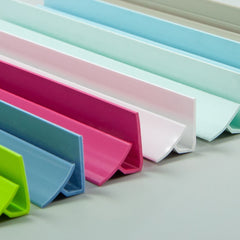
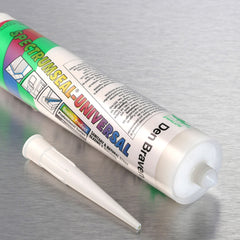
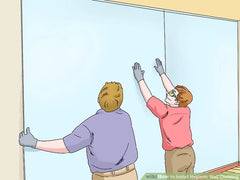
Sustainability and durability are most effective when materials are used as intended. When PVC wall cladding is installed as a complete hygienic wall system — including sheets, adhesives, colour-matched silicones, profiles and trims — performance is optimised across the entire installation.
At Simply Cladding, complete hygienic wall cladding systems are covered by a manufacturer’s lifetime guarantee when installed as a full system. This provides long-term peace of mind and reinforces the role of durability in reducing waste and supporting sustainable outcomes.
Planning a hygienic cladding installation?
If you’re planning a new installation or refurbishment, Simply Cladding supplies complete PVC cladding and hygienic wall cladding systems designed for long-term performance and reliability.
Explore our range of:
- PVC cladding sheets
- PVC wall panels
- complete hygienic wall cladding systems
or speak to our team about the right option for your project.